By Positive Talk
•
August 13, 2026
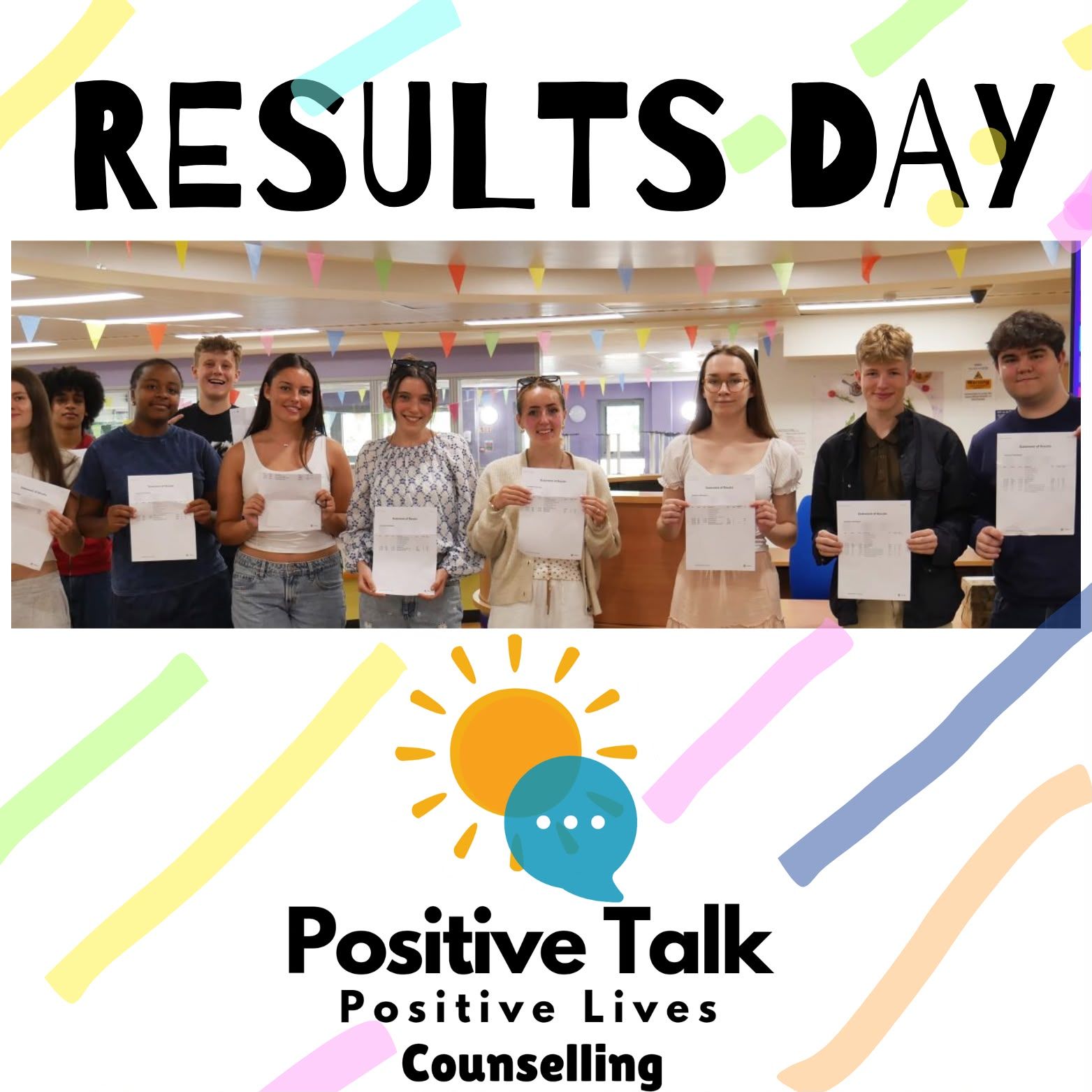
A Level and BTEC Results Day is here, whatever your results, remember this, your results do not define you. Today can bring excitement, relief, disappointment, uncertainty, or a mixture of all of these. Whatever you are feeling, it is completely okay. You may have achieved the grades you were hoping for, you may have done better than expected, or things may not have gone the way you planned. At Positive-Talk Counselling and Support Services we believe, there is no single path to success, and one results day does not decide your future . Celebrating Your Achievements If you have achieved the results you were working towards, congratulations! Take a moment to recognise how much effort, determination and commitment has gone into getting here. Whether you’re heading to university, an apprenticeship, employment, further education or taking some time to decide what comes next, you have every right to be proud. And remember, it is okay if you don’t have everything figured out Today, one step at a time and one Hardel at a time. If Your Results Aren’t What You Hoped For If you’re disappointed with your results, please don’t feel that you haven’t done well or even failed, “you’ve tried and given it a go which takes strength and courage, so recognising that is a start to understanding you still skills and opportunity’s ahead of you. There may be options available, including speaking with your school or college, looking at alternative courses, apprenticeships, resits, clearing or other routes into the career or future you want. One set of results cannot measure your potential. Sometimes the route we originally planned changes, and that doesn’t mean the destination has to change. Take a breath, give yourself some time, and speak to someone you trust before making big decisions. It’s Okay to Ask for Support Results Day can feel daunting, particularly if you are worried about what happens next. You don’t have to deal with everything on your own. Support can include: Counselling and emotional support Mentoring Life Coaching Help exploring education, training and employment options Support with confidence and motivation Someone to talk through your choices with Help to make contact with other organisations and services Practical support getting to appointments Support preparing for appointments or important conversations Sometimes the hardest part is knowing where to start . That’s where Positive-Talk Counselling and Support Services can help. We Can Help Make the Connections If you need support, you don’t necessarily have to work everything out yourself. We can help you identify the type of support that may be useful and, where appropriate, help you make links with other organisations and services that can assist you. Whether you need someone to listen, someone to help you decide, or simply someone to take the first steps with you, support is available. Our specialist Life Coaching can also provide practical encouragement and help you work towards your goals. Where appropriate, they can support you with attending appointments too, because sometimes having someone alongside you can make something that feels overwhelming much more manageable. Your Next Step Doesn’t Have to Be a Big One You don’t have to know exactly what you want to do with the rest of your life. Your next step could simply be: Talk to someone. Ask a question. Make a phone call. Attend an appointment. Explore an option. Take one day at a time. Talk to a PROFESSIONAL who has been through it, so can support you. Whatever your results Today, there are people who want to support you. You are more than a grade. You have potential, choices and a future ahead of you. Remember Results Day is one day — your future is so much bigger than Today, or one day. If you’re struggling, feeling overwhelmed or simply don’t know what to do next, please reach out for support. You don’t have to face it alone. We can help you take that first step and, where needed, help connect you with the right organisations, services and people to support you. Support for Parents & Carers Results Day can be an emotional time for parents and carers too. You may be feeling proud, relieved, worried or unsure about how best to support through results day and what comes next. Remember, you don’t have to have all the answers either. Sometimes the most helpful thing you can do is listen, reassure them and remind them that one set of results does not define them or their future. If you know a Young person who might be showing sings of being disappointed or unsure about what comes next, try not to put pressure on them to have everything worked out immediately. Give them time, encourage them to talk, and help them explore their options when they feel ready. Support is available for parents and carers too. We can help parents and carers understand what support may be available, help make links with appropriate organisations and services, and provide guidance around the next steps. Our Life Coaching & Mentoring Services can also provide practical support to Young People , including helping them attend appointments where appropriate, so they don’t feel they have to navigate everything alone. If you’re a parent or carer and you’re worried about your young person, please reach out. You don’t have to know exactly what to say or where to start. Sometimes asking for a little support can make a big difference. Together, We Can Take the Next Step Whether you’re a young person, parent or carer, remember: You don’t have to have everything figured out Today. You don’t have to face things alone. And asking for support is a strength, not a weakness. Supporting Yourself Through Change Positive-Talk Counselling and Support Services are here to help you. A Final Thought Finishing exams, it’s the end of a chapter that has shaped everyday life for over a decade. It’s okay to feel excited. It’s okay to feel nervous. And it’s okay to feel sad about what you’re leaving behind while also being hopeful about what comes next. Change takes time and support can make that transition feel less overwhelming. At Positive-Talk Counselling and Support Services , we are here to listen, support, and help you move forward at a pace that feels right for you. If you are ready to begin your journey, we welcome you to get in touch and start the conversation. Positive Talk’s Mission is to support as many children , Young People , Adults , Couples , Family and Relationship as possible. We are open Monday to Sunday 9am to 9pm Positive Talk is available online and in person Positive-Talk Counselling and Support Services are available for support no matter where you are in your journey. you can reach us through email at contact@positive-talk.com or call us direct on 07887 192 192. We are available to support nationwide in the UK and Ireland. Professional Counselling and Support Services